

 See My Latest Article on HelloNation
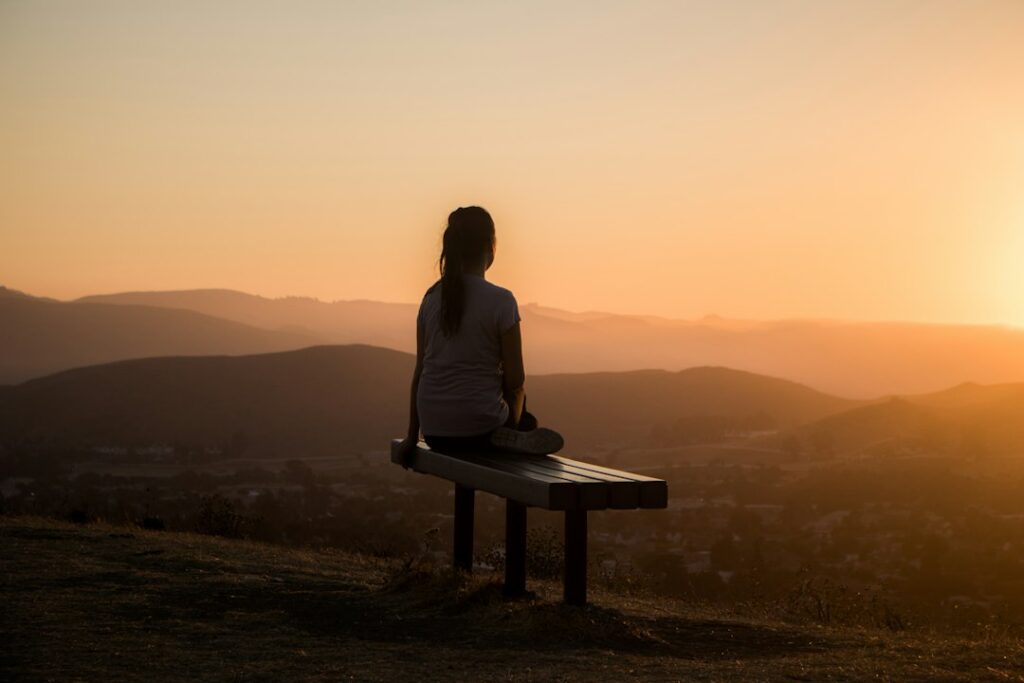
Anxiety can make ordinary situations feel urgent or unsafe. Mindfulness offers a practical way to notice anxious thoughts, calm the body, and respond more deliberately instead of automatically reacting. It does not eliminate every worry, but regular practice may reduce the intensity and frequency of anxiety symptoms for some people.
What is mindfulness?
Mindfulness is the practice of paying attention to the present moment with curiosity and without immediately judging the experience. Attention may be directed toward breathing, sounds, physical sensations, movement, or thoughts.
A mindful approach does not require forcing the mind to become blank. Instead, it involves noticing that the mind has wandered and gently returning attention to what is happening now. This can be done while sitting quietly, walking, eating, washing dishes, or completing another routine activity.
Mindfulness and meditation are related but not identical. Meditation is a structured practice, while mindfulness can be used during everyday activities.
How can mindfulness reduce anxiety?
Mindfulness may help anxiety through several connected processes:
- It interrupts repetitive worry. Anxiety often pulls attention into imagined future problems or repeated analysis of past events. Focusing on present sensations can create a pause between the thought and the reaction.
- It helps identify physical tension earlier. A person may notice clenched muscles, shallow breathing, a tight chest, or a racing heartbeat before anxiety becomes overwhelming.
- It changes the relationship with anxious thoughts. Mindfulness encourages noticing “I am having the thought that something will go wrong” rather than treating every thought as a fact.
- It supports more measured decisions. A brief pause can make it easier to choose a useful next step instead of avoiding a task, sending an impulsive message, or assuming the worst.
- It may calm stress-related body responses. Slow breathing and attention to physical sensations can reduce tension for some people.
Research reviewed by the National Center for Complementary and Integrative Health suggests mindfulness-based approaches can be more helpful than no treatment for anxiety, although results vary and long-term benefits are not equally clear across studies. Mindfulness should be viewed as a possible support, not a guaranteed cure or replacement for needed care. ([nccih.nih.gov](https://www.nccih.nih.gov/health/meditation-and-mindfulness-effectiveness-and-safety?utm_source=openai))
What is a simple mindfulness exercise for anxious moments?
A short “notice and return” exercise can be practiced almost anywhere:
1. Sit or stand in a position that feels reasonably supported.
2. Notice one physical point of contact, such as feet on the floor or hands resting together.
3. Take a comfortable breath without trying to make it unusually deep.
4. Observe one or two sensations, such as air moving through the nose or the rise and fall of the abdomen.
5. When a worry appears, silently label it “thinking” or “worrying.”
6. Return attention to the selected sensation.
7. Repeat for one to three minutes.
The goal is not to prevent anxious thoughts. The goal is to practice returning attention without criticizing yourself. That return is the skill.
If focusing on breathing increases discomfort, choose another anchor, such as the feeling of a chair, the sound of traffic, the texture of clothing, or the sight of objects in the room.
Can mindfulness help during a panic attack?
Mindfulness may help some people during intense anxiety, but it is not a substitute for medical evaluation when symptoms are new, severe, or potentially related to a physical condition.
During a panic-like episode, a person can try orienting to the immediate environment:
- Name five things that are visible.
- Notice four things that can be felt, such as feet inside shoes or hands touching a surface.
- Identify three sounds.
- Notice two smells.
- Name one taste or take a small sip of water.
This type of grounding shifts attention from frightening predictions toward current sensory information. Breathing should remain gentle and comfortable. Trying to take very large breaths can make some people feel more lightheaded, so slower, easier breathing is generally preferable. Mindfulness and breathing exercises are commonly suggested as ways to reduce tension and refocus attention on the present. ([nhs.uk](https://www.nhs.uk/every-mind-matters/mental-health-issues/anxiety/?utm_source=openai))
How can local residents build mindfulness into daily routines?
A formal meditation session is useful, but it is not the only option. In a community where weather, darkness, and changing outdoor conditions can affect routines, brief indoor practices may be easier to maintain during colder or stormier periods.
Practical options include:

- Mindful transitions: Before leaving home, entering work, or beginning a school-related task, pause for three slow breaths and identify the next specific action.
- Attentive walking: During a walk, notice the movement of the legs, the temperature of the air, nearby sounds, and changing light rather than reviewing worries.
- Mindful household tasks: Focus on the water temperature while washing dishes, the movement of folding laundry, or the physical steps of preparing a meal.
- Weather-related grounding: During long stretches indoors, look around the room and describe colors, shapes, textures, and sounds without judging them.
- Evening decompression: Spend five minutes noticing body tension and writing down concerns that need attention later. This can help separate planning from bedtime.
Starting with two to five minutes is often more realistic than expecting a long daily session. Consistency matters more than duration.
What are common misconceptions about mindfulness?
Mindfulness is not the same as positive thinking. It does not require pretending that difficult circumstances are acceptable or ignoring practical problems. A person can acknowledge fear, sadness, anger, or uncertainty while still choosing a constructive response.
Mindfulness also does not mean that thoughts should disappear. Wandering attention is normal. Repeatedly returning to the present is the practice, not a sign that the exercise failed.
Another misconception is that mindfulness works immediately for everyone. Some people notice benefits quickly, while others need repeated practice. Certain forms of meditation can temporarily increase distress, especially for people who are coping with trauma, severe anxiety, depression, or uncomfortable body sensations. NCCIH reports that negative experiences have occurred in a minority of meditation-study participants, so stopping or changing the practice is reasonable if symptoms worsen. ([nccih.nih.gov](https://www.nccih.nih.gov/health/meditation-and-mindfulness-effectiveness-and-safety?utm_source=openai))
When is anxiety a reason to seek additional help?
Mindfulness may be appropriate as one part of self-care, but persistent or disruptive anxiety deserves broader attention. Consider discussing symptoms with a qualified health care or mental health professional when anxiety:
- Interferes with sleep, work, school, relationships, or daily responsibilities
- Leads to repeated avoidance of ordinary activities
- Causes frequent panic-like episodes
- Continues despite lifestyle changes and self-guided practices
- Occurs with depression, substance use, trauma symptoms, or thoughts of self-harm
Chest pain, severe breathing difficulty, fainting, confusion, or other sudden physical symptoms should not automatically be attributed to anxiety. Immediate medical attention may be necessary.
Mindfulness works best when it is treated as a flexible skill: notice what is happening, allow the experience to be present without adding unnecessary judgment, and choose the next safe and useful step. For some local residents, that may mean a quiet indoor practice; for others, it may be mindful movement, time outdoors when conditions allow, or a brief grounding exercise during a demanding part of the day.