

 See My Latest Article on HelloNation
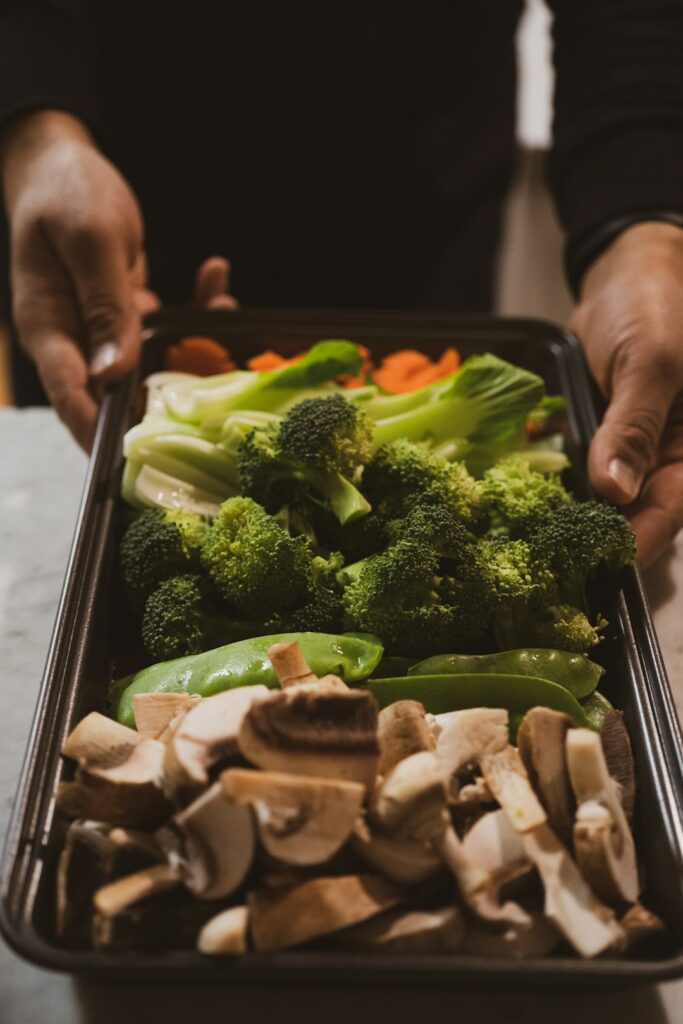
Busy schedules do not require elaborate recipes or a refrigerator full of identical containers. Effective meal prep is mainly about making a few decisions ahead of time so weekday meals are easier, more balanced, and less dependent on last-minute choices.
For households in Coeur d'Alene, changing seasons can affect meal preferences, shopping routines, and storage needs. Warm-weather weeks may call for chilled grains, salads, and fresh produce, while colder months often make soups, roasted vegetables, beans, and slow-cooked meals more appealing. A flexible plan works better than a rigid menu.
What should be done before grocery shopping?
Start by reviewing the week rather than choosing recipes first. Look at work hours, school activities, appointments, evening commitments, and days when meals may need to travel.
A practical plan usually includes:
- Two or three main meals that can be reused in different ways
- One or two quick breakfast options
- Portable lunches or snacks
- At least one simple meal for a particularly busy evening
- A small amount of extra food for unexpected schedule changes
Count the meals that are genuinely needed. Preparing seven dinners, seven lunches, and several snacks may create unnecessary work and food waste. Many people need only three prepared dinners, several lunch components, and dependable breakfast choices.
Before shopping, check the refrigerator, freezer, and pantry. Use foods that are already available, especially produce that will spoil soon. This reduces duplicate purchases and helps keep the grocery budget predictable.
Which foods are easiest to prepare ahead?
The most useful meal-prep foods hold their texture for several days and can be combined in more than one way. Build meals around a few categories rather than preparing complete recipes for every day.
Useful foundations include:
- Cooked grains such as rice, quinoa, barley, or oats
- Roasted or steamed vegetables
- Beans, lentils, eggs, poultry, tofu, or other protein foods
- Washed greens and sturdy vegetables
- Sauces, dressings, and seasonings stored separately
- Fruit, nuts, yogurt, or cut vegetables for snacks
A batch of roasted vegetables might accompany eggs at breakfast, fill a grain bowl at lunch, and serve as a side dish with dinner. Cooked chicken or beans can be used in wraps, salads, soups, or bowls without making each meal taste exactly the same.
Foods with high water content, such as dressed lettuce, sliced tomatoes, and cut fruit, may become soft if stored too long. Keep wet ingredients separate when possible, and add dressings shortly before eating.
How much meal prep is needed for one week?
For many households, two to three hours is enough for a basic preparation session, although the time varies by menu and household size. The goal is not to cook every meal from scratch. It is to complete the steps that usually create the most weekday friction.
A manageable preparation session might look like this:
1. Wash and cut produce.
2. Start a grain, beans, eggs, or another staple.
3. Roast vegetables while the other foods cook.
4. Prepare one main dish or soup.
5. Portion snacks and breakfast items.
6. Cool food before covering and refrigerating it.
7. Label containers with the food and preparation date.
Use overlapping cooking times. For example, vegetables can roast while grains simmer and eggs cook. Cleaning as tasks are completed also prevents the kitchen from becoming another source of stress.
People with limited time can use a “component prep” approach. Instead of cooking a full dish, prepare only a protein, a vegetable, and a carbohydrate. Those ingredients can be assembled differently throughout the week.
How can prepared food stay safe?
Food safety depends on temperature, timing, and storage. Perishable foods should be refrigerated promptly rather than left at room temperature for long periods. Large portions of soup, rice, or casseroles cool more safely when divided into shallow containers.
Keep the refrigerator cold enough for perishable foods, and avoid packing it so tightly that air cannot circulate. Prepared meals should be clearly dated. Foods that will not be eaten within a few days should generally be frozen rather than kept in the refrigerator indefinitely.
Additional habits that help include:
- Wash hands and preparation surfaces before cooking.
- Keep raw meat, poultry, and seafood separate from ready-to-eat foods.
- Use clean utensils for cooked foods.
- Reheat leftovers until they are hot throughout.
- Thaw frozen food in the refrigerator, in cold water, or in the microwave rather than on the counter.
- Discard food with an unusual odor, appearance, or texture instead of tasting it to determine whether it is safe.

During warmer periods, use an insulated lunch bag with a cold pack for meals that will be away from refrigeration. During winter travel, do not assume food is automatically safe outdoors or in an unheated vehicle; temperatures can fluctuate significantly.
What is a realistic meal-prep schedule?
A weekly schedule should match the household’s busiest days. Many people prepare food on a weekend day, but a shorter session on another evening may work better for those with changing schedules.
A simple pattern is:
- Preparation day: Cook staples, wash produce, make one main dish, and portion snacks.
- Early week: Use the most perishable foods first, such as leafy greens and cut fruit.
- Middle of the week: Reuse cooked grains, vegetables, and proteins in a different format.
- Later week: Use frozen portions, shelf-stable ingredients, eggs, or quick-cooking foods.
- Next preparation day: Review what was eaten, what remained, and what should change.
This approach is especially useful for households balancing commuting, outdoor activities, school schedules, and seasonal weather. A snow day, delayed travel, or an unexpectedly long workday is easier to manage when at least one meal is stored in the freezer.
How can meal prep avoid becoming repetitive?
Variety comes from changing flavor and format, not necessarily from cooking entirely different foods. Keep the base ingredients simple and vary the seasonings, sauces, and serving methods.
For example, the same cooked vegetables and protein can become:
- A warm grain bowl with a savory sauce
- A wrap with greens and a yogurt-based dressing
- A soup with broth and beans
- A salad served cold
- A filling for a baked potato or tortilla
Store sauces separately so meals can be adjusted to different preferences. Keep optional toppings such as seeds, herbs, shredded cheese, or chopped nuts separate as well. This allows one batch of food to work for several people without preparing multiple dinners.
What are common meal-prep mistakes?
The most common mistake is preparing too much food at once. A full week of one recipe may sound efficient but can lead to boredom, poor texture, and waste. Preparing fewer portions and freezing some of them is often more practical.
Another mistake is choosing recipes that require too many separate steps. A meal that looks manageable on a quiet weekend may be difficult to repeat during a busy season. Favor recipes with shared ingredients and limited cleanup.
It also helps to avoid treating meal prep as an all-or-nothing task. Washing produce, preparing breakfast, or cooking one protein still counts. Even a 30-minute session can make the following days easier.
A useful plan leaves room for flexibility. Keep a few quick options available, allow for a meal away from home, and adjust portions when the week changes. The most sustainable routine is one that reduces daily decisions without creating a second full-time job in the kitchen.